Casting Nets of Knowledge, Seafood Processing with Coastal Communities
Posted Mar 05, 2026 Updated at Mar 05, 2026 By admin Views 7
Tag
The sea offers abundant food resources with strong potential to be processed into value-added products. This aligns with the government’s current agenda to promote the utilization of marine commodities, a type of blue food, as a solution to food security. However, when discussing inclusive food security and the well-being of rights holders, the conversation must extend beyond product availability. It must also address the urgency of creating meaningful production processes that reach the most affected groups.
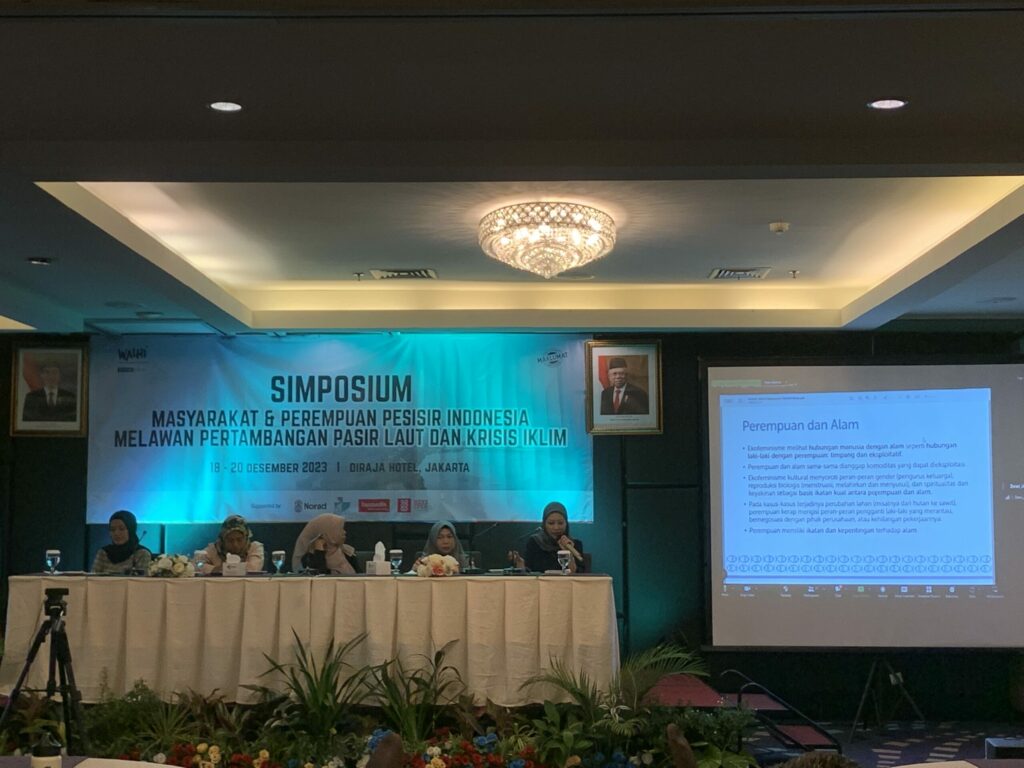
For this reason, on 13–14 November 2025, the Fisherfolk Empowerment for Climate Resilience and Sustainability (FOCUS) program organized a training on Good Handling Practices (GHP) and Good Manufacturing Practices (GMP). The activity was conducted in collaboration with the Faculty of Agricultural Technology, Soegijapranata Catholic University (UNIKA Soegijapranata).
The training was attended by representatives of women’s groups and youth from nine villages across five districts/cities in Central Java Province: Kendal, Jepara, Batang, Demak, and Semarang. They are also business actors in the seafood and mangrove sectors, as well as in household-based food processing. During the training, they learned about production techniques for fisheries products such as fish, shrimp, green mussels, and mangrove-based products.
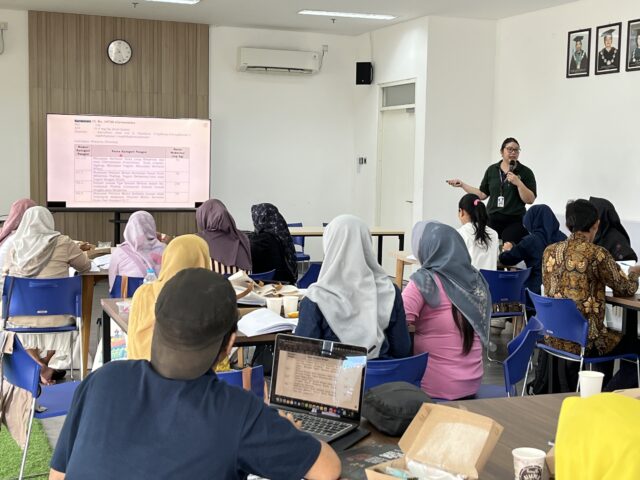
Image 1. Presentation by UNIKA Soegijapranata on Good Manufacturing Practices for Processed Food (Ruhaina Zulfiani)
Community Creativity in Increasing Added Value
High-quality catches have higher market value. Arguably, we can further increase this added value through creative processing of fisheries products.
Various products, such as fish jerky, smoked fish, green mussel crackers, tuna floss, terasi jembret (rebon shrimp paste), and crispy shrimp have been developed in several FOCUS-assisted villages. In addition, there has been growth in mangrove-based products, including mangrove syrup, blendung (boiled mangrove fruit served with grated coconut), and mangrove coffee.
The FOCUS consortium, consisting of Yayasan Humanis dan Inovasi Sosial (Humanis), Center for Coastal and Marine Resources Studies (PKSPL-IPB), Indonesian Forum for Environment (WALHI), and People’s Coalition for Fisheries Justice (KIARA), continues to support community groups in strengthening the value chains of these products.
Aiming for stronger local small enterprises, FOCUS promotes the Ocean Trade Center as a shared space to facilitate product sales, knowledge exchange, and access to supporting equipment for group business activities. This initiative aligns with one of FOCUS’s objectives: to encourage and create inclusive, sustainable livelihood for coastal communities, including women and youth.
Licensing as the Foundation for Business Sustainability
In addition to speakers from UNIKA Soegijapranata, the training also featured a speaker from the Fishery Product Quality Testing Center, Central Java Provincial Marine and Fisheries Office, Trias Martiningtyas. She emphasized the importance of the Processing Eligibility Certificate (SKP) to increase product competitiveness.
Nowadays, consumers are increasingly critical to food safety aspects. Products with SKP certification are important for businesses to ensure product quality and accountability while supporting business sustainability. Therefore, FOCUS also encourages our rightsholders to obtain product licenses so their businesses can operate legally and grow sustainably.
Participant Enthusiasm and Learning Reflections
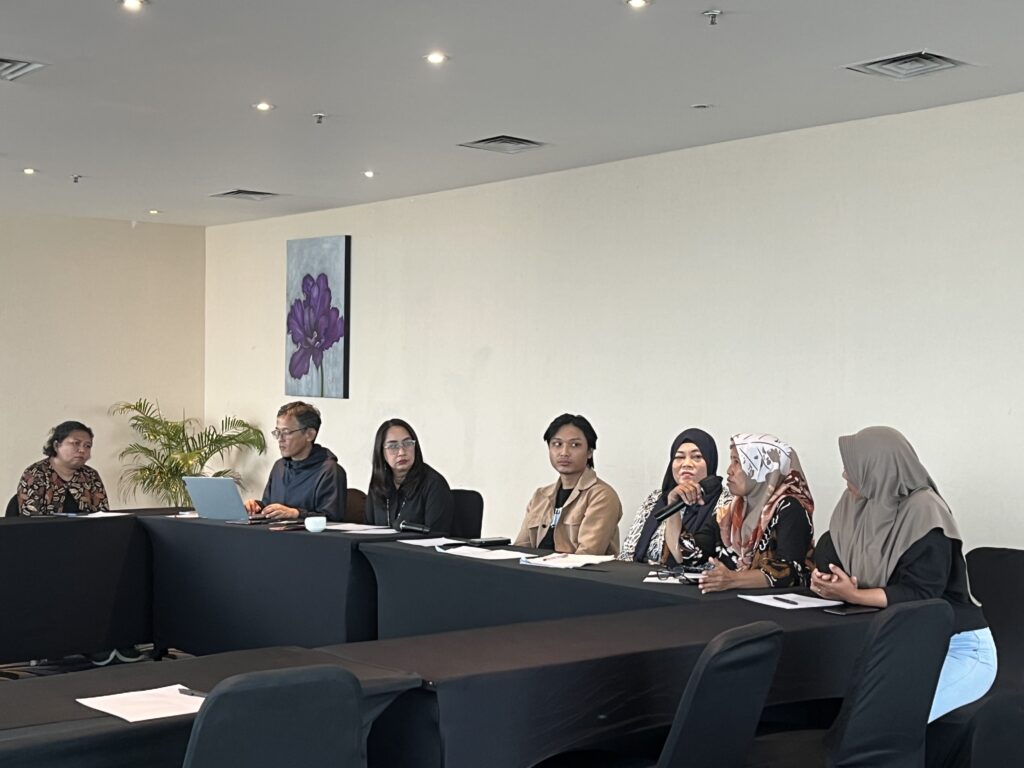
Throughout the two-day training, we saw positive changes in participants. At first, some participants appeared hesitant to ask questions or express their opinions. However, as the sessions progressed, they became more confident—asking questions, sharing views, exchanging experiences, and taking turns presenting their group discussions.
For us, the success of capacity building is not merely about the digestion of materials, but also in changes of attitude that have meaningful value for participants. The courage to speak in a forum, though often not recognized as an achievement, became a meaningful outcome for the FOCUS team.
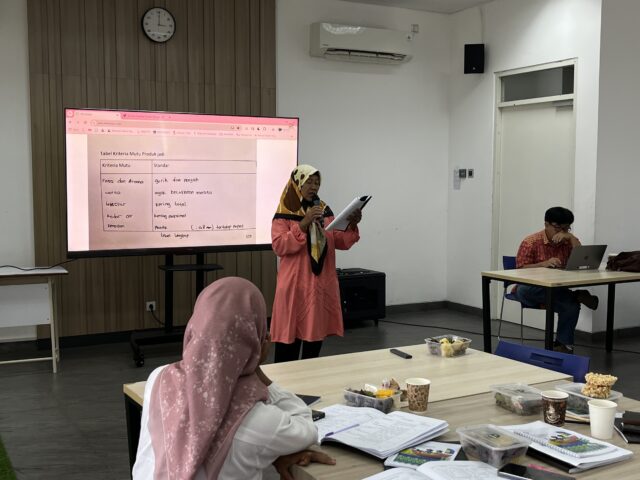
Image 2. Presentation by a participant from Tanjungmas Sub-district (Ruhaina Zulfiani).
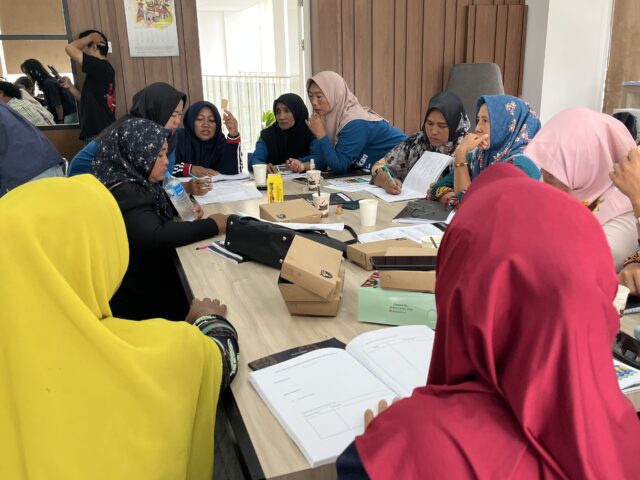
Image 3. Participants actively discuss during group assignments (Ruhaina Zulfiani).
This enthusiasm made the discussions more dynamic. Personal experiences and challenges became valuable lessons for everyone. Real-life examples shared by participants, such as excessive heat during fish smoking that causes eye irritation, crackers that quickly become rancid, or challenges in mangrove processing, were not merely pieces of information, but were transformed into valuable knowledge.
No longer feeling hesitant, participants from different villages provided feedback to one another, while the facilitators offered explanations and practical alternative solutions.
Strengthening the Coastal Economy Through Knowledge
This GHP and GMP training served as a learning space that not only enhance technical knowledge but also strengthened the self-confidence of coastal women and youth in developing their local products.
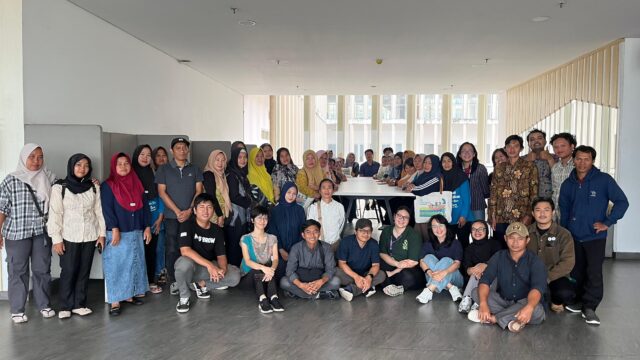
Image 4. Group photo of the FOCUS Consortium, UNIKA Soegijapranata, and all training participants (Committee)
Through carefully tailored training materials, FOCUS, together with UNIKA Soegijapranata, seeks to ensure that the knowledge gained from the training does not end within the physical room. Our aim is to enable participants to also become trainers for their peers and respective communities.
Through fisheries product processing training and FOCUS’s support for business licensing, we hope participants will gain access to broader markets and increase the economic value of their products. Ultimately, our goal is to be a stepping stone towards prosperous coastal communities with stronger food security.
Downloads
| File Name | Size | Downloads | Actions |
|---|---|---|---|
| 0 | 0 | Download |
Artikel Terkait
Komentar